Your lawn care calendar
What to do in spring, summer, autumn and winter to keep your turf thick, green and weed-free.
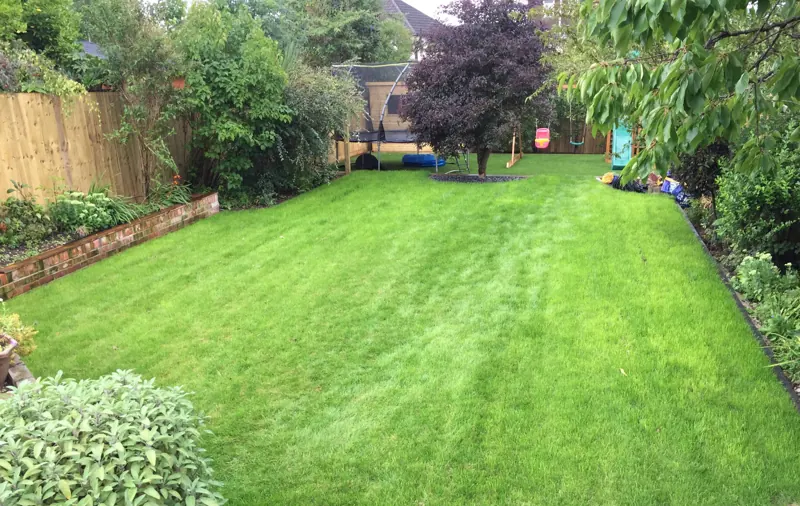
Lawn care through the year
Good lawns aren't about expensive treatments. They're about doing the simple things at the right time. Plenty of lawns stay in decent shape for years with no feed at all, but most look better with a little.
Spring Mar–May
- Start mowing regularly as growth picks up
- A water-in lawn feed works best
- Check for moss and treat if needed
Summer Jun–Aug
- Keep mowing, but not too short
- High-nitrogen feeds green things up fast, but mean more mowing
- Granular feed? Water it in or apply before rain
Autumn Sep–Nov
- No spring or summer feeds after August
- Switch to a balanced autumn or winter feed
- Raise the mower before winter
Winter Dec–Feb
- Don't scalp it short, or moss moves in
- Keep off when frozen or waterlogged
- Get the mower blade sharpened
Why not high-nitrogen in autumn?
Chicken manure, sulphate of ammonia and other high-nitrogen feeds push out soft, leafy growth. That's great in spring, but in autumn it's the wrong growth at the wrong time. Use a winter-specific feed instead.
Weeds
All our turf is weed-treated before it leaves the field, but a few stubborn species can take another week or two to die off. Spot-treat any survivors with a proprietary weedkiller.
After that, your best weedkiller is a thick lawn. Regular (but not over-keen) mowing and sensible feeding give a dense sward that weeds struggle to get into. A light sprinkling of sand helps the finer grasses and holds back weeds.
Watering a new lawn
Water new turf well, but don't drown it. Overwatering keeps roots lazy and shallow. Once it's established, feed it just like an established lawn.
Ring us for today's turf prices
Order before 5pm and we'll cut it fresh for delivery tomorrow. Small delivery charge and minimum order apply. Collect it yourself and it costs even less.